
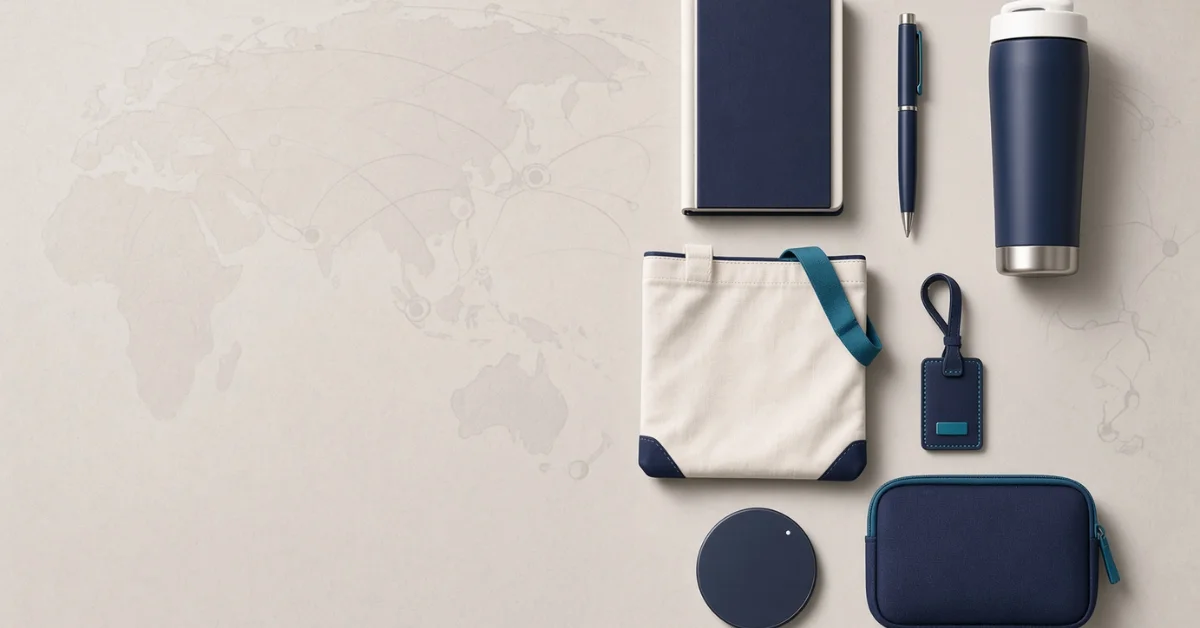
Branded promotional merchandise can help APJC conference teams create a consistent brand experience while adapting to local audiences.
Strong conference merchandise combines practical products, thoughtful branding, regional relevance and a fulfillment plan that accounts for different countries, delivery times, and event schedules.
APJC conference merchandise needs to balance global brand consistency with local relevance. Marketing teams should start with the event goal, audience, budget and destination, then select products that suit the setting and the people receiving them.
A conference in Sydney may need a different merchandise mix to an event in Singapore, Tokyo or Mumbai. Product preferences, climate, venue rules, shipping requirements and cultural expectations can all shape the right choice.
For partner marketing campaigns, teams should also define how merchandise supports the campaign. A product can welcome a new partner, reward engagement, support a product launch or give attendees a useful reminder of the event.
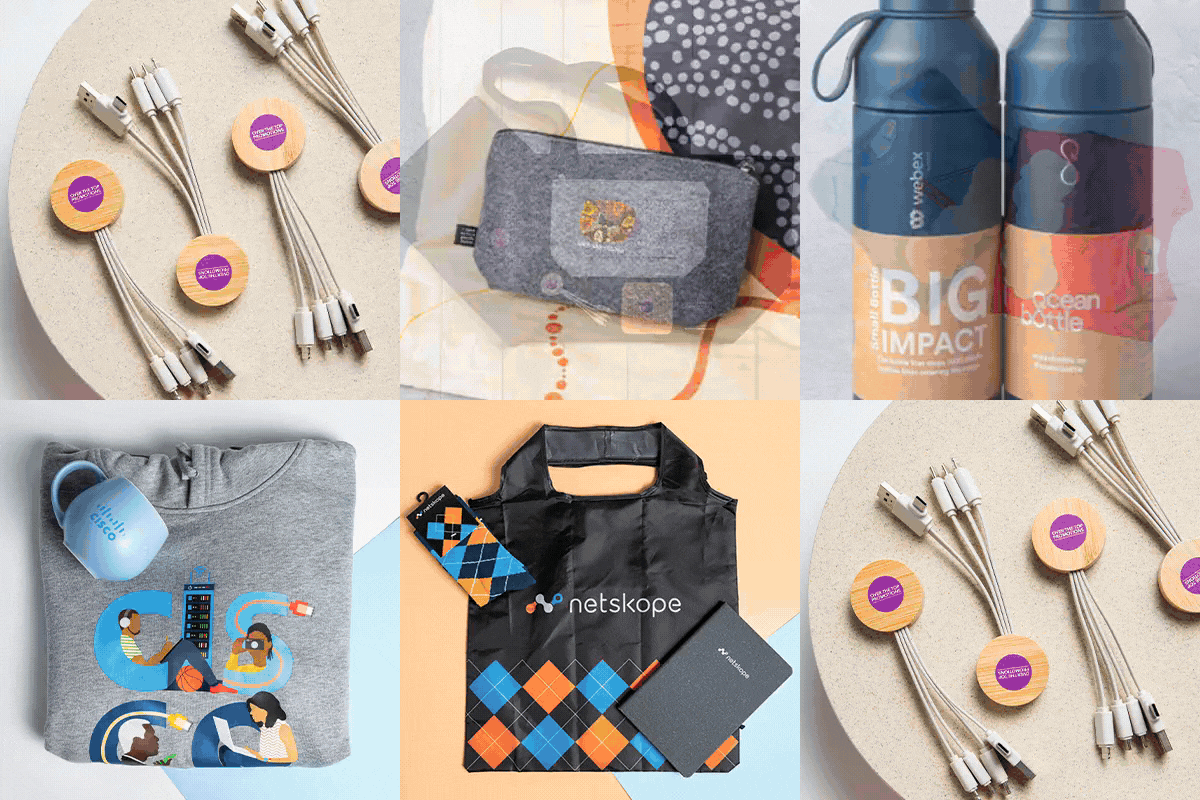
Useful conference merchandise should match the event format and give attendees a clear reason to take it with them. Practical products can support registration packs, partner meetings, speaker gifts, booth engagement and post-event follow-up.
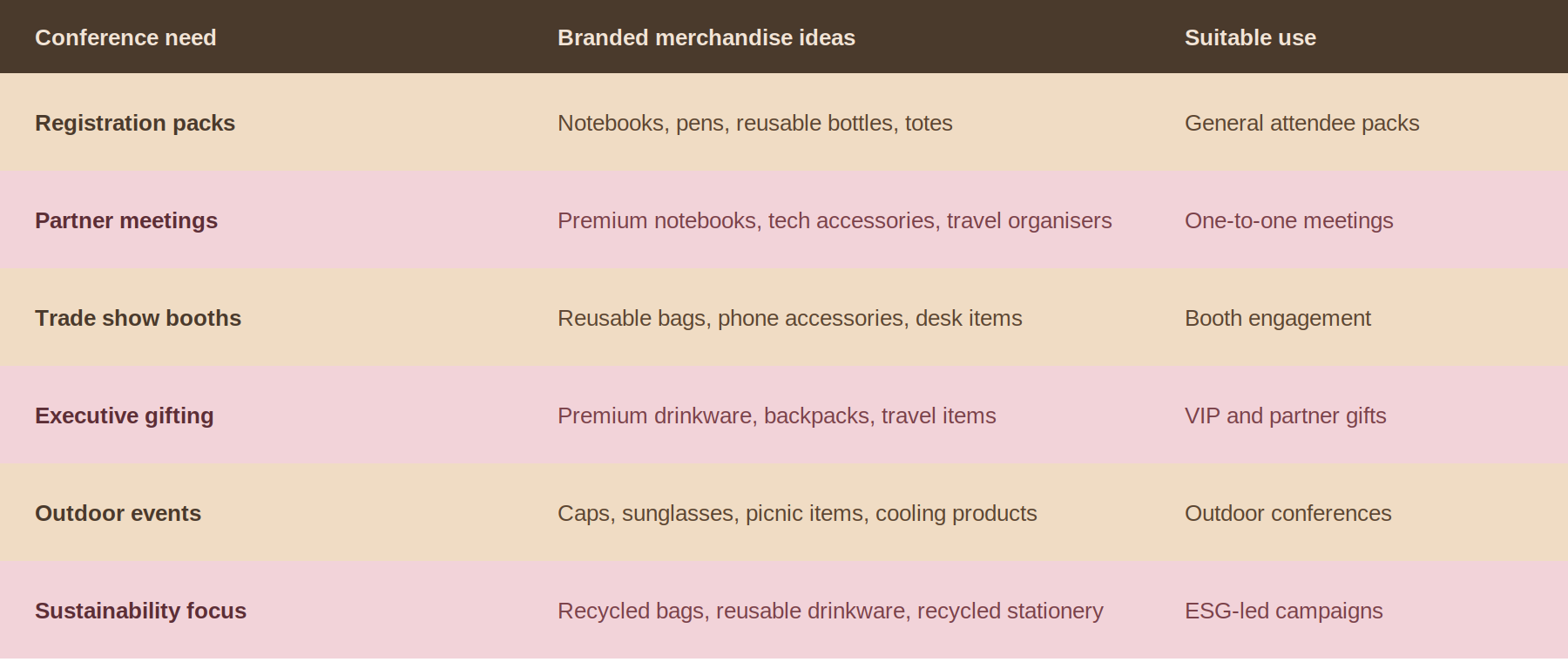
Product choice should also reflect the conference agenda. A technology conference may suit charging accessories, cable organisers or laptop accessories. A leadership event may suit premium notebooks and drinkware. A sustainability-focused event may call for recycled or reusable promotional products with clear material information.
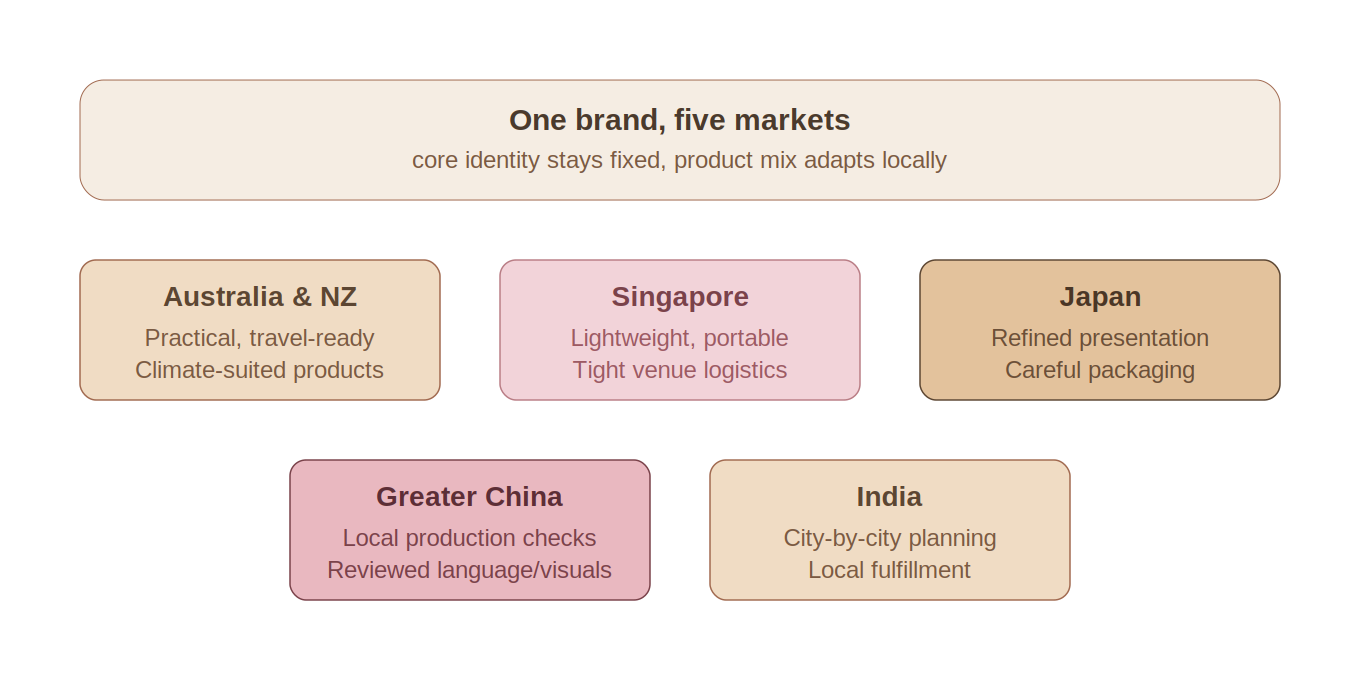
Regional adaptation helps global campaigns feel relevant without creating a different brand identity for each market. Teams can keep core brand elements consistent while adjusting product selection, packaging, language and fulfillment details for each destination.
Australia and New Zealand often suit practical products for travel, outdoor events and workplace use. Reusable drinkware, bags, notebooks, caps and travel accessories can suit conferences with a broad professional audience.
Climate and event location also matter. Outdoor conferences or summer events may call for products that suit warm conditions, while indoor technology events may favor desk and tech accessories.
Singapore’s compact urban environment can favor lightweight, portable merchandise that attendees can carry between venues or take home easily. Premium notebooks, drinkware, tech accessories and compact bags can suit business conferences and partner meetings.
Packaging and delivery also need careful planning because event venues may have specific receiving processes and limited storage space.
Japanese conference audiences can respond well to thoughtful, refined products with careful presentation. Product quality, packaging and attention to detail can influence how recipients perceive a gift.
Campaign teams should also review language, imagery and product presentation before production. A global campaign can retain its core identity while respecting local expectations.
Greater China requires careful planning across market requirements, language and fulfillment. Teams should confirm local production, import, shipping and venue requirements early, particularly when a campaign covers several locations.
Language and visual choices also deserve local review. Marketing teams should work with local stakeholders to check translated copy and creative assets before production.
India’s large and diverse market can require more localised planning. Event location, climate, audience, budget and delivery requirements can vary significantly between cities.
Conference teams can use practical merchandise such as bags, notebooks, drinkware and tech accessories, then adjust the product mix for the event and audience. Local fulfillment can also help teams manage lead times and delivery costs.
Cultural considerations can affect product selection, colors, imagery, language, gifting practices and presentation. APJC campaigns should involve local teams early so they can flag potential issues before production.
Marketing teams should review:
Local input can prevent small details from creating a poor attendee experience.
APJC conference merchandise becomes easier to manage when teams plan procurement, branding, storage and delivery as one process. A central merchandise plan can set the core product range, brand rules and campaign requirements, while local fulfillment can support individual event needs.
A Corporate Store can give distributed teams a controlled way to order approved branded merchandise. Teams can manage product selections, quantities and branding in one place instead of handling separate email requests for each market.
For larger partner marketing campaigns, teams can also split fulfillment by country or event. A supplier with APJC fulfillment capability can help coordinate production and delivery across Australia, New Zealand, Singapore, Greater China and India.
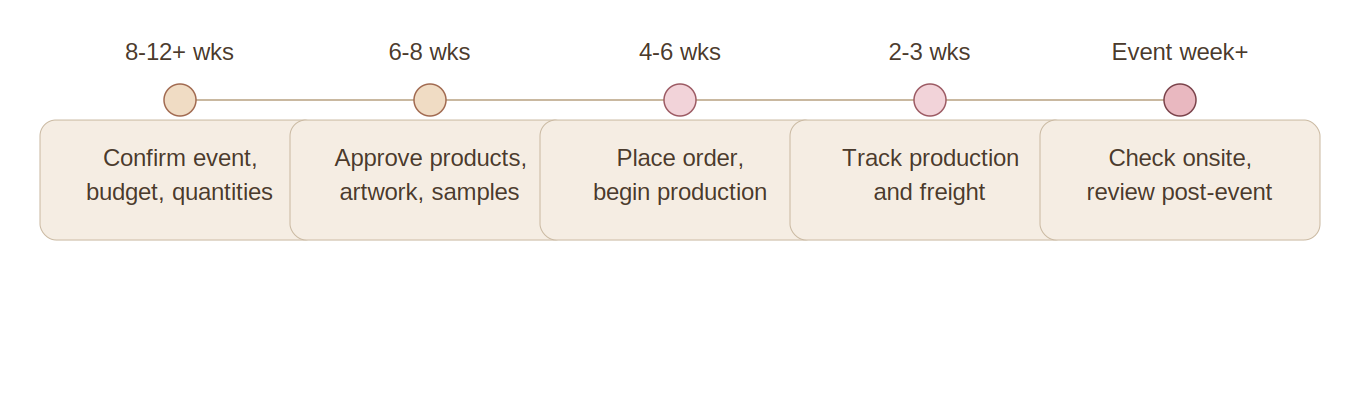
Conference teams should start planning branded promotional merchandise at least several weeks before the event, with more time for custom production, international delivery or complex branding.
8 to 12+ weeks before: Confirm the event, audience, budget, quantities and destination countries. Review product options and brand requirements.
6 to 8 weeks before: Approve products, artwork and samples. Confirm production and delivery requirements with the supplier.
4 to 6 weeks before: Place the order and begin production. Confirm venue receiving details and storage arrangements.
2 to 3 weeks before: Track production and freight. Confirm delivery status with local teams.
Event week: Check quantities, packaging and booth or registration requirements before attendees arrive.
After the event: Review product uptake, attendee feedback, remaining stock and campaign results.
Lead times can vary by product, decoration method, country and shipping route, so teams should build contingency time into the plan.
Effective branded promotional merchandise supports the event goal, suits the local audience and arrives in the right place at the right time. Strong planning also gives teams control over brand consistency, product quality, sustainability claims and fulfillment across multiple markets.
A useful starting point involves three questions:
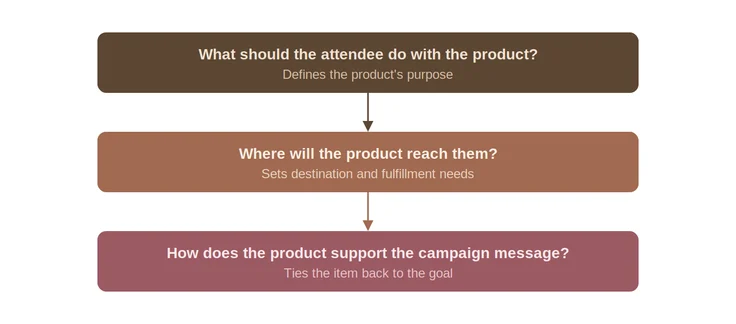
Clear answers can help APJC marketing teams move beyond generic conference giveaways and create a merchandise program with a stronger purpose.
Useful conference giveaways include reusable drinkware, notebooks, bags, tech accessories and travel products. The right choice depends on the event format, audience, destination, budget and campaign goal.
Teams should start planning at least 8 to 12 weeks before a major APJC conference. International shipping, custom production, complex decoration and local venue requirements may require additional time.
A campaign can keep its core branding consistent while adapting products, packaging and fulfillment by market. Local teams can identify cultural, climate and logistical factors that may affect product selection.
Yes. A Corporate Store can give approved teams access to controlled branded merchandise and simplify ordering across regions. The model can also help central marketing teams manage brand standards while local teams place orders for their events.
Teams can prioritise reusable products, recycled materials, responsible packaging and accurate sustainability claims. Product selection should also account for useful lifespan, sourcing information and the logistics required to deliver merchandise to each market.
A strong APJC merchandise strategy starts well before the event. Define the campaign goal, identify local requirements, choose useful promotional products and build a fulfillment plan that covers each destination.
Branded promotional merchandise can support partner relationships and conference engagement when product choice, local relevance and logistics work together. A clear regional strategy can help marketing teams deliver a consistent brand experience across APJC while giving each event the flexibility it needs.