
Picking an event giveaway is easy. Picking one that people keep, use, and remember your brand by is a different job entirely. Most event organisers default to whatever worked last time, or whatever’s cheapest per unit, and end up with a box of leftover stress balls in the storeroom. The giveaway that gets used is the one chosen with the event, the audience, and the logistics in mind from the start.
This guide walks through how to make that decision properly, with a focus on what actually matters for events run in Australia: local delivery timelines, sustainability expectations, and the mix of audiences you’ll find across conferences, corporate functions, and public events.
Branded promotional giveaways are physical products printed or embossed with a company’s logo, colors, or messaging, and distributed at events to build brand recognition and leave a lasting impression with attendees.
They work through simple repeated exposure. Every time someone uses a branded tote bag, drinks from a branded bottle, or plugs in a branded charging cable, they see the brand again, at no additional acquisition cost to the business. This is why promotional products remain one of the most cost-effective forms of brand marketing when the item is genuinely useful rather than novelty for its own sake.
Branded promotional giveaways are relevant to event organisers, marketing teams, sales teams running trade show stands, and HR teams planning staff or client events. Anyone responsible for attendee experience at a branded event is, by extension, responsible for choosing the right giveaway.
The single biggest factor in giveaway selection is the event itself. A giveaway that works at a trade show can fall flat at a community fun run, and vice versa.
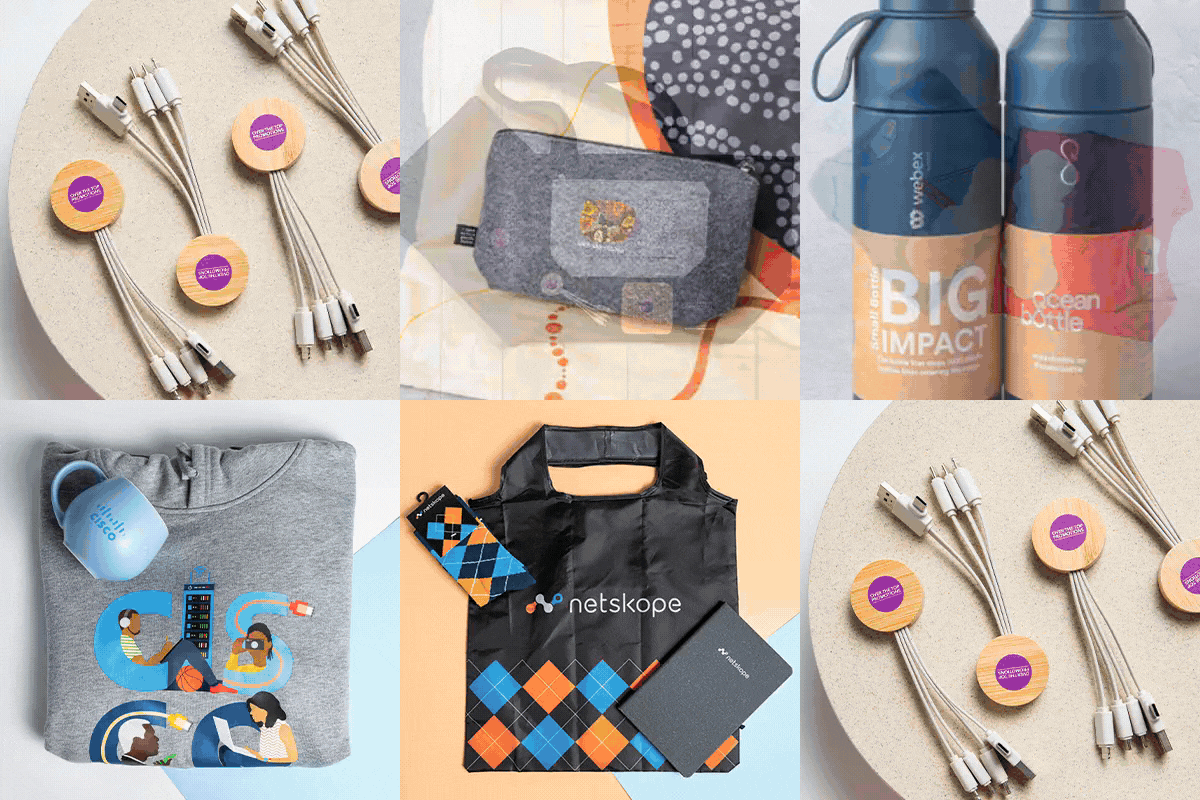
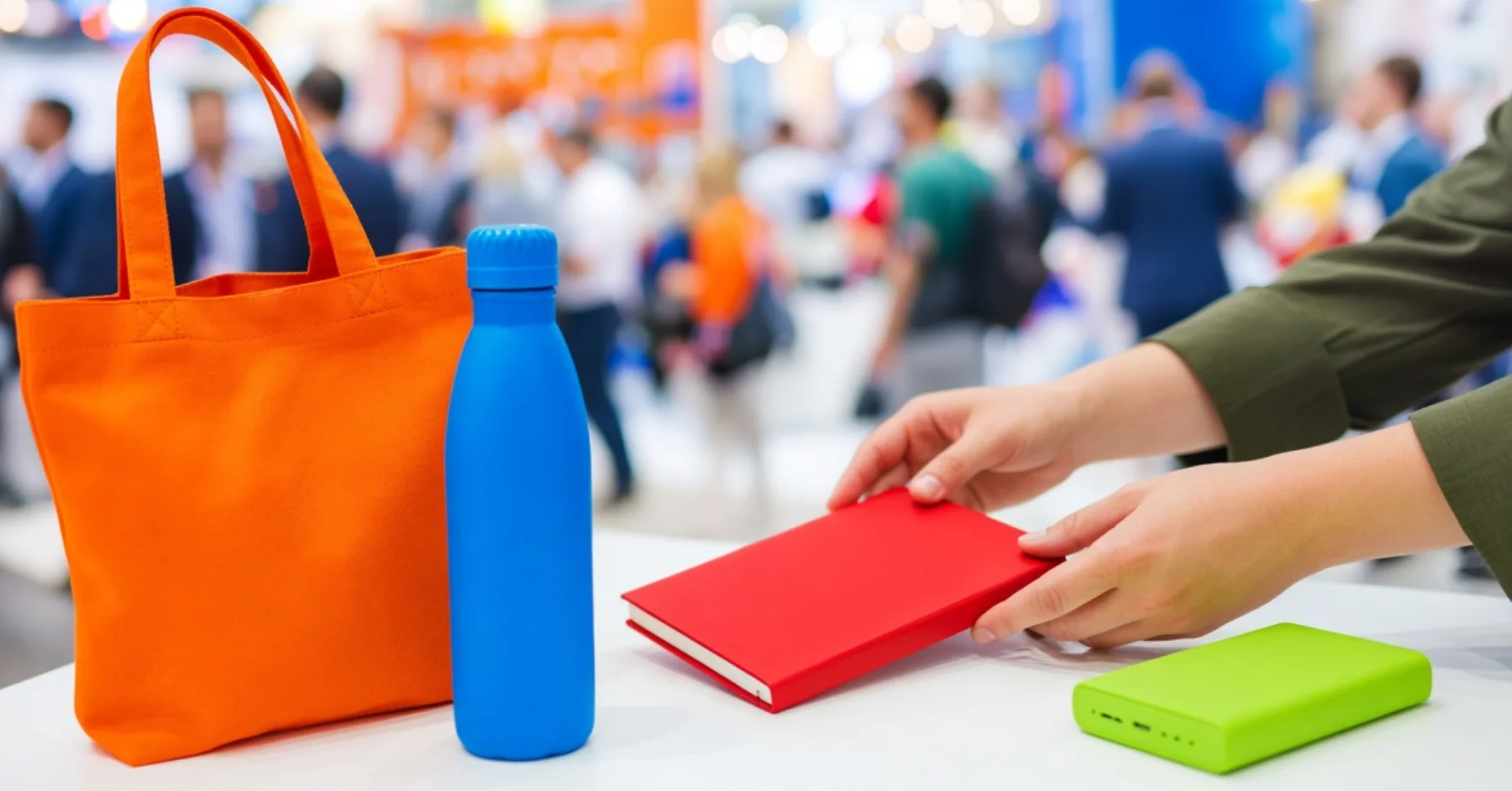
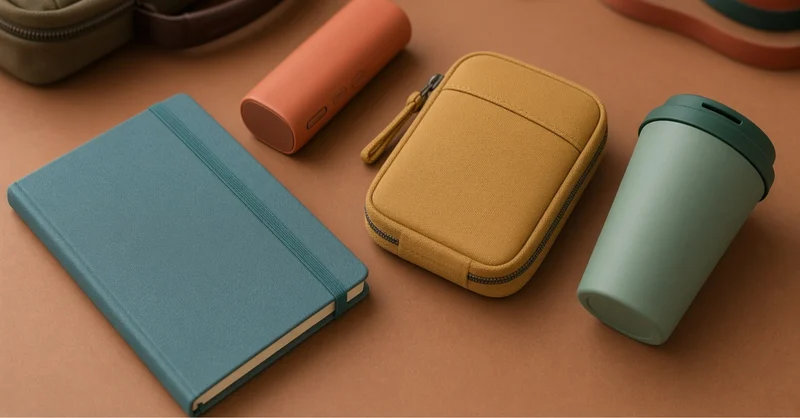
Attendees at conferences and trade shows are already carrying bags, laptops, and lanyards. For conferences across APJC, product choice also needs to account for the destination, audience, climate, and local requirements. Bulky items get left behind. Practical, lightweight event merchandise performs best here: notebooks, power banks, tech pouches, and reusable coffee cups travel well and get used at the next conference too, which extends your brand’s reach beyond the event itself.
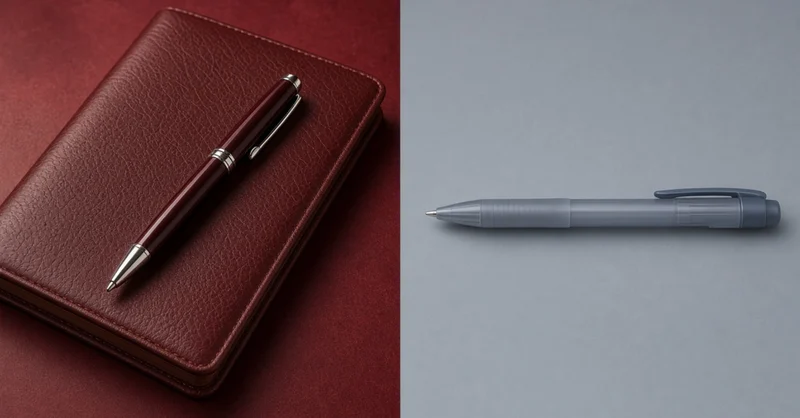
Corporate giveaways for client dinners, product briefings, or partner events call for a higher perceived value. Quality matters more than quantity. A well-made pen, a premium notebook, or a branded drinkware set signals that the business values the relationship, whereas a cheap plastic item can undercut that message.
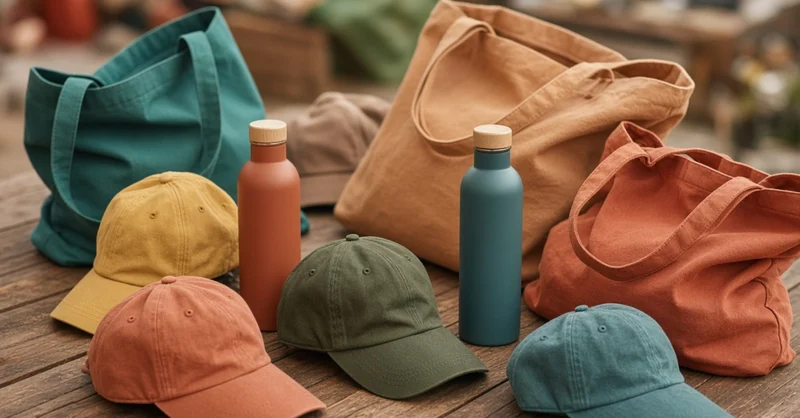
Public events, sponsorships, and community festivals typically involve higher attendee numbers and lower individual engagement time. Cost-effective, high-utility branded event items such as caps, drink bottles, or tote bags work well because they need to make an impression in seconds, not minutes.
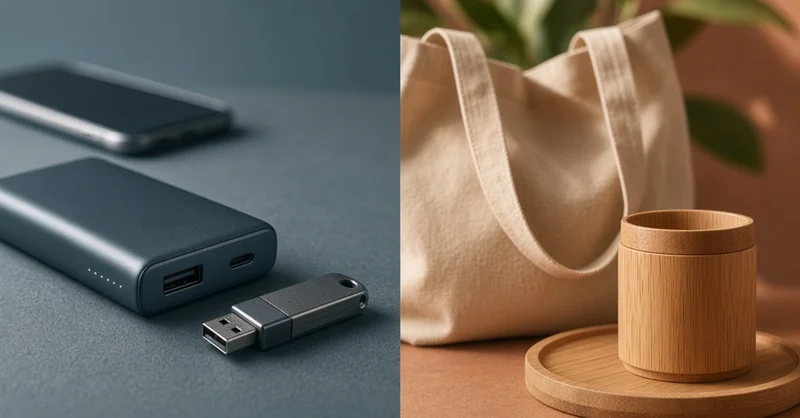
Launch events benefit from giveaways that tie directly to the product story. A tech launch suits tech-adjacent items; a sustainability-focused product launch suits genuinely eco-conscious merchandise. The giveaway should reinforce the message of the launch, not just carry a logo.
Event type sets the stage, but attendee intent decides whether the giveaway gets kept. A time-poor decision-maker walking a trade show floor has different priorities to a casual attendee browsing a community market stall.
Ask three questions before choosing:
Sustainability is no longer a nice-to-have for event merchandise in Australia. It’s an expectation, particularly among corporate and government audiences, where procurement policies increasingly favor suppliers who can demonstrate responsible sourcing
Practically, this means:
Australia’s geography creates real logistical constraints that don’t show up in generic global guides to promotional products. Freight between states, and especially to regional and remote areas, takes longer and costs more than most first-time event organisers expect. For teams managing conferences across multiple APJC markets, the planning window can be even longer.
Build these factors into your planning:
| Giveaway Category | Typical Cost Tier | Best Suited To | Why It Works |
|---|---|---|---|
| Utility items (pens, keyrings, stickers) | Low | Public events, large-scale handouts | High volume, low cost per unit, broad reach |
| Drinkware and reusable bottles | Mid | Conferences, community events, sponsorships | Reusable, visible daily, aligns with sustainability expectations |
| Apparel (caps, shirts, tote bags) | Mid | Trade shows, staff events, community events | Worn in public, extends brand visibility beyond the event |
| Tech accessories (power banks, charging cables) | Mid–High | Conferences, corporate briefings | High perceived value, genuinely useful, long usage lifespan |
| Premium items (leather goods, quality drinkware sets) | High | Client events, executive gifting, VIP giveaways | Signals relationship value, low volume but high impact |
What’s the best type of branded giveaway for a small business at a trade show? Lightweight, practical items such as notebooks, tech pouches, or reusable drink bottles tend to perform best at trade shows, since attendees are already carrying bags and won’t take home anything bulky.
How far in advance should I order event merchandise in Australia? Plan for four to six weeks for custom-branded orders, with additional buffer time if delivery is required to regional or remote locations, or if the item involves overseas manufacturing.
Do sustainable promotional products cost more? Sustainable options can carry a modest price premium, but the gap has narrowed as demand has grown. The bigger cost difference usually comes from choosing quality, reusable items over disposable ones, which reduces waste and improves the return on each item distributed.
How do I know if a promotional product is genuinely sustainable? Ask suppliers for specific certifications, such as FSC for paper-based products or GRS for recycled materials, rather than relying on packaging colour or vague “eco-friendly” claims.
What’s a reasonable budget per attendee for corporate giveaways? This depends heavily on the event’s purpose. A general public event might budget a few dollars per attendee, while a client dinner or VIP event might justify a higher per-person spend on a smaller number of premium items.
The right branded promotional giveaway isn’t the cheapest or the most novel option. It’s the one chosen with the event type, the audience’s intent, and the practical realities of Australian delivery timelines in mind. Get those three factors right, and the giveaway keeps doing its job long after the event ends.
If you’re planning your next event, start by mapping your giveaway options against attendee intent and lead time before locking in a product, so you’re choosing based on strategy rather than what happens to be in stock.