
Spring is when client relationship work quietly resets. Renewal conversations restart, budgets open up, and marketing calendars fill with events that need a physical touchpoint. If you manage gifting for an IT company anywhere across Australia, New Zealand, Singapore, Japan, China or India, the hard part isn’t finding a gift. It’s finding one that doesn’t feel generic and still arrives on time across several markets.
Spring client gifts work best when they pair a genuine use case with a light seasonal cue, rather than leaning on spring imagery alone. A reusable water bottle, a sturdy notebook, or a wellness item tied to an event all work harder than something spring themed but otherwise forgettable. Budget between 15 and 60 AUD per recipient, and build in four to six weeks for decoration and delivery.
Corporate gifting is the practice of giving branded or curated items to clients, partners or prospects to strengthen a business relationship. It differs from staff merchandise or event giveaways because the audience is external and the goal is relationship building rather than internal culture or brand awareness at a booth. A spring client campaign is simply corporate gifting timed to a seasonal moment, usually paired with a renewal, an event, or the start of a new sales cycle.
A spring client gift works when it matches the season’s actual conditions, suits how the recipient works day to day, and carries your branding in a way that reads as thoughtful rather than promotional. Three things tend to separate a gift that gets used from one that gets binned: genuine usefulness, appropriate quality for the client tier, and decoration that’s subtle enough to sit on a desk without looking like an advertisement.
Usefulness matters more than novelty. A client in Sydney or Auckland moving into warmer months has different daily needs to a client in Tokyo during sakura season or a client in Bangalore heading into pre-monsoon heat. Picture what the recipient will be doing in the weeks after you send the gift, not just what looks seasonal in a product photo.
Quality signals how much you value the relationship. A gift that feels cheap undercuts the message you’re trying to send, especially for top-tier clients where the gift is standing in for a face-to-face gesture you might not get to make this quarter. It’s worth spending more on fewer, better gifts for your top 10 to 20 accounts than spreading a thin budget across everyone.
Decoration needs restraint. A logo printed small on a quality item outperforms a logo stamped large across the whole product. Clients keep and use items that don’t feel like walking advertisements for someone else’s brand.
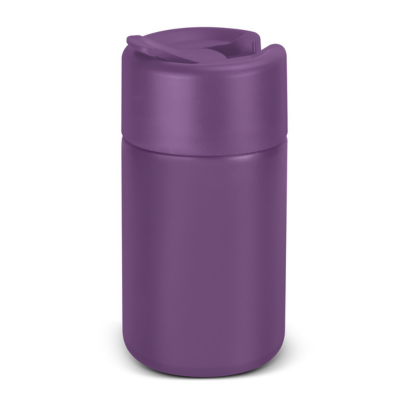
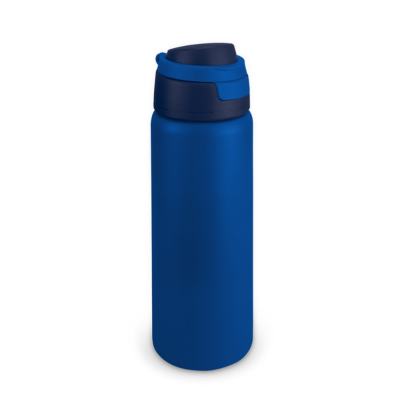
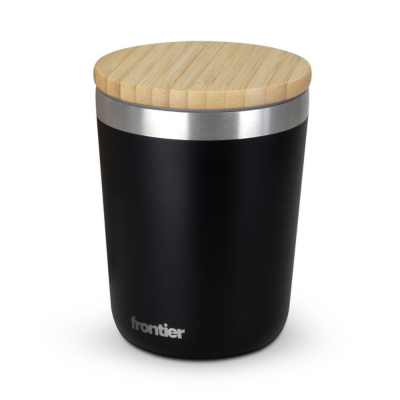
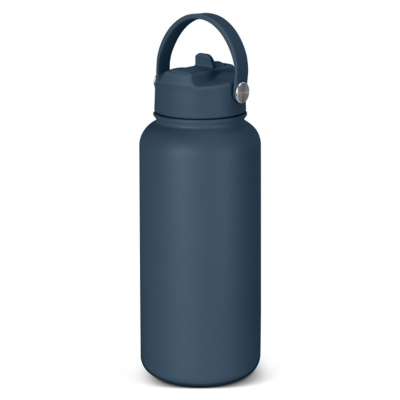
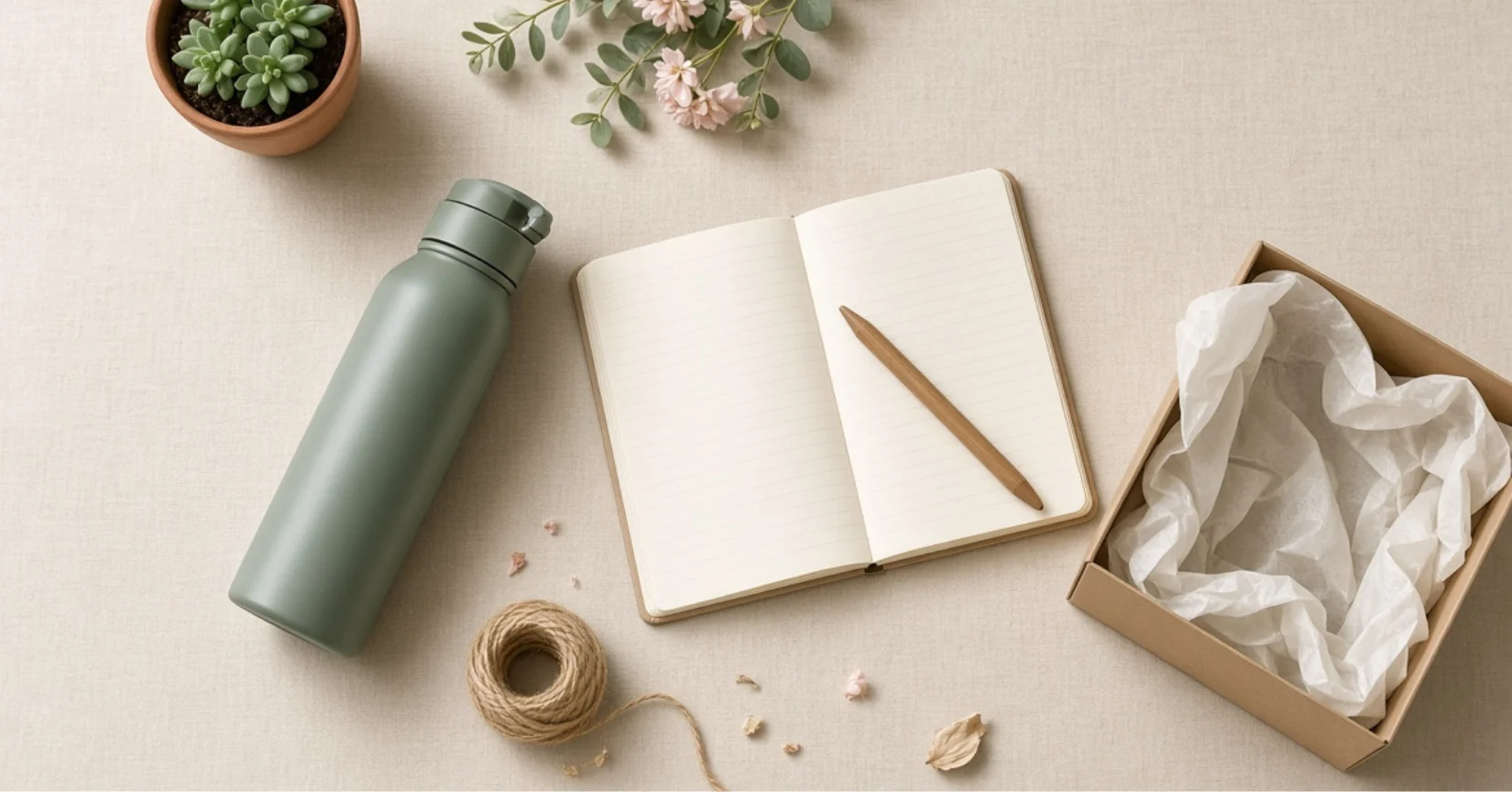
Drinkware remains one of the most reliably used corporate gift categories because it solves a real daily problem and travels well across markets with very different spring weather. A sturdy insulated bottle or travel mug gets picked up multiple times a day, which means your branding gets far more repeat visibility than a one-off item ever will.
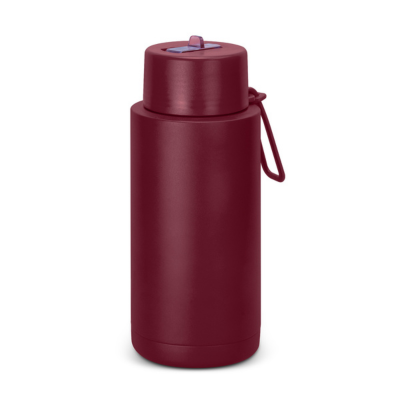
For markets moving into warmer weather, such as Australia and New Zealand through September to November, an insulated water bottle that keeps drinks cold for several hours is a practical choice, one that gets used far past the day it arrives. Look for double-wall stainless steel construction, a leak-proof lid, and a size that fits a bag side pocket.
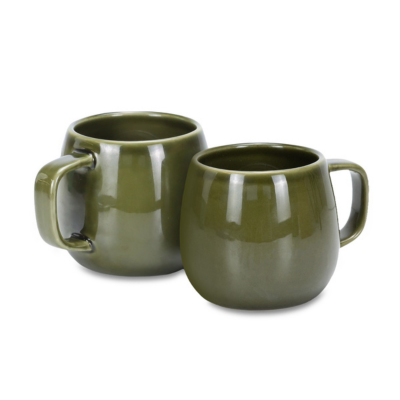
For markets where spring means mild, changeable weather, a reusable coffee cup with a secure lid works better than a cold-focused bottle. Ceramic-lined stainless steel options avoid the metallic aftertaste some clients notice with cheaper aluminum cups.
Keep decoration to a single color logo, laser engraved rather than printed where the budget allows. Engraving lasts the life of the product and doesn’t peel after repeated washing, which matters for anything a client will use daily for a year or more.
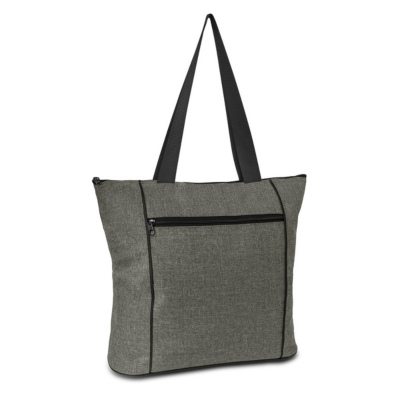
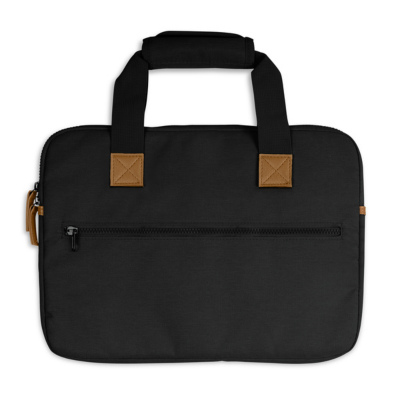
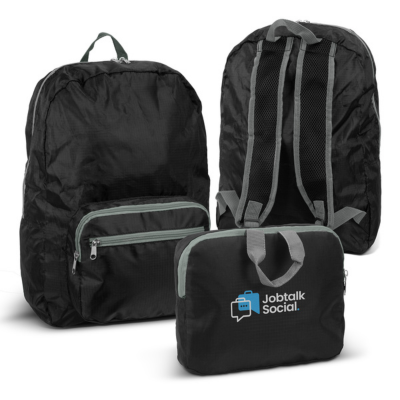
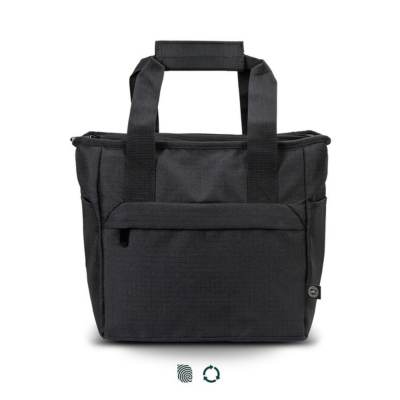
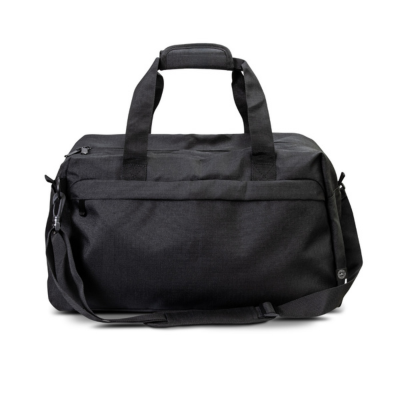
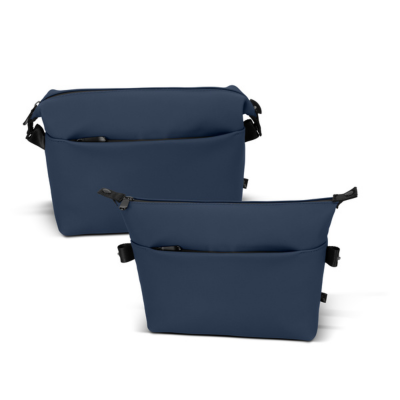
A sturdy, well-finished bag earns its place in a spring gifting campaign because it’s visible in the exact settings where your brand matters most: commuting, travelling to client meetings, and carrying a laptop between home and office. Bags also scale well across client tiers, from a simple pouch for a broad campaign to a structured laptop bag for a handful of key accounts.
For a broad client base, a foldable tote or a compact packable daypack works as a practical, low-cost gift that clients reach for during travel or errands. These tend to sit well in the 15 to 25 AUD range and pack flat for easy distribution across multiple offices.
For top-tier clients, a structured laptop bag or a weekender in a durable canvas or recycled polyester carries more weight. These sit closer to the 50 to 90 AUD range and work well as a gift tied to a renewal or a milestone in the relationship, rather than a broad seasonal send out.
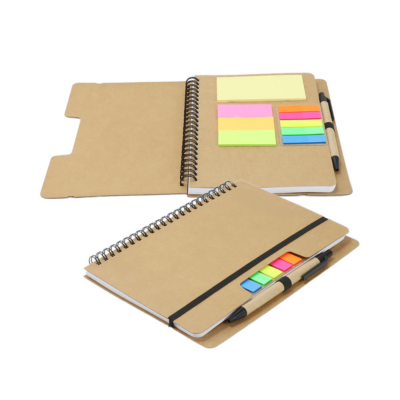
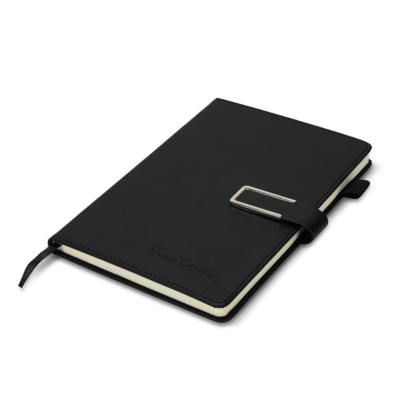
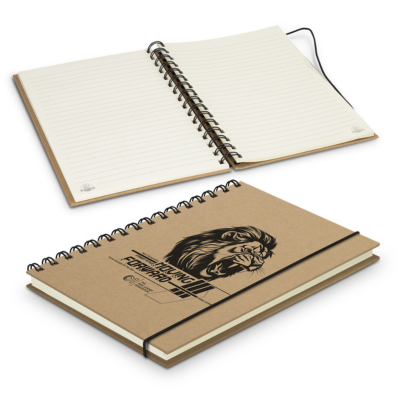
A notebook works well as a spring client gift because the season lines up naturally with planning cycles: a new financial year, a fresh set of quarterly goals, or a renewal conversation that sets new terms. A notebook signals that you expect the relationship to continue, which is a useful subtext for a renewal-timed gift.
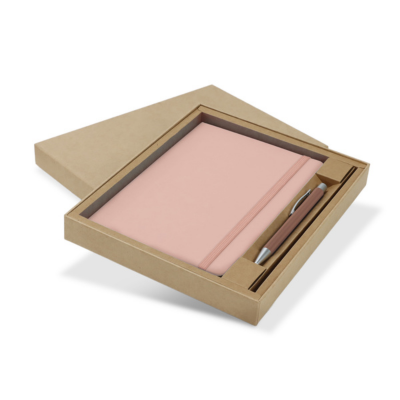
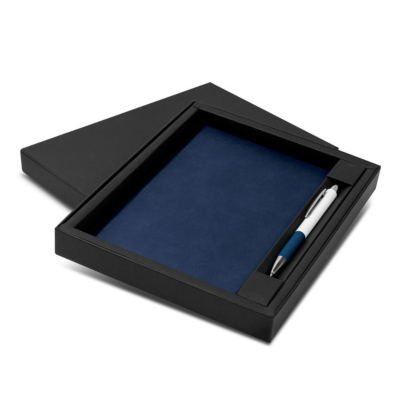
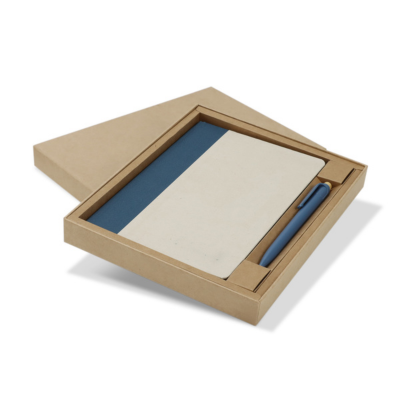
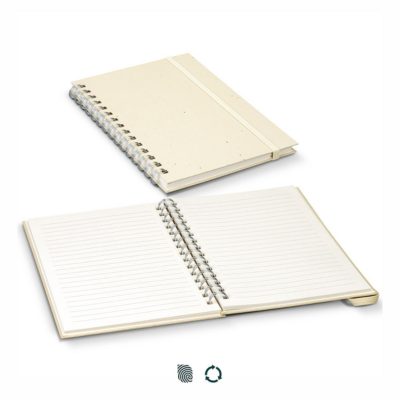
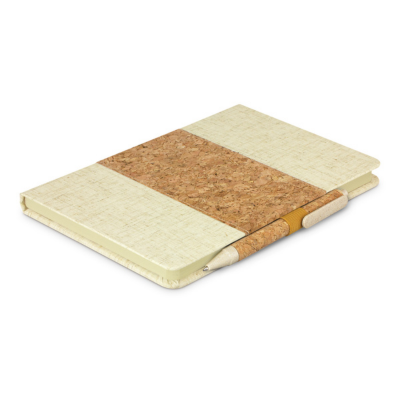
A refillable notebook with a quality cover, such as recycled leather or a durable recycled paper board, outperforms a cheap spiral-bound option that a client will replace within a few months. Pair it with a simple pen in the same finish rather than a mismatched set, since a coordinated pairing reads as considered rather than assembled from whatever was in stock.
Digital habits haven’t killed the notebook gift. Plenty of client-facing professionals still keep a physical notebook for meetings specifically because it signals attention in a way a laptop screen doesn’t. A notebook gift plays into that behaviour rather than competing with it.
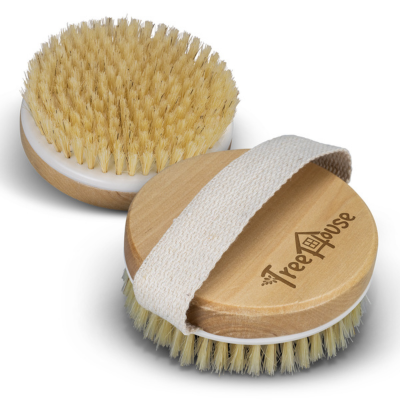
Wellness gifts work in a spring campaign because the season carries a natural association with resetting habits, and a well-chosen wellness item avoids the generic feel of a stress ball or a branded umbrella. The key is picking something with a clear, specific use rather than a vague “wellness” label attached to an ordinary object.
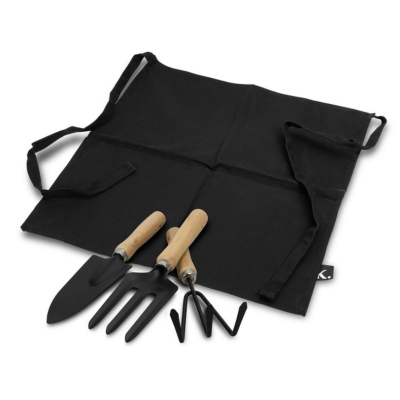
A desk plant or a small herb garden kit ties naturally to spring and gives the recipient something to tend to over the following weeks, which extends the gift’s presence well beyond the day it arrives. For clients working from home part of the week, this tends to land better than an office-only item.
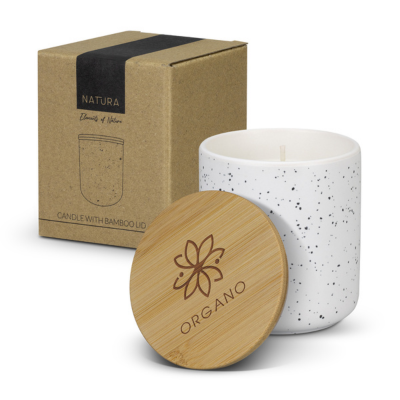
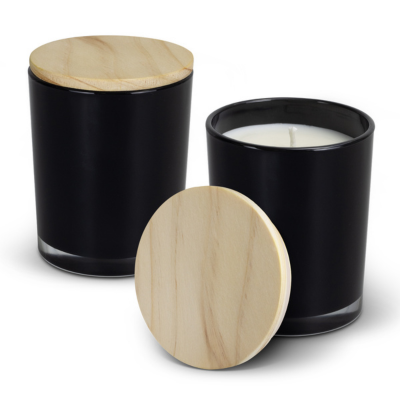
A quality candle or a diffuser with a natural, mild scent is another reliable option, provided the scent stays mild and neutral. Strong or unusual scents are a personal preference risk in a corporate gift, so test with a small group internally before committing to a large order.
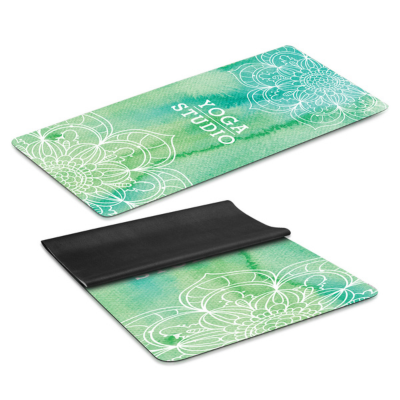
A resistance band set or a compact yoga mat suits clients you know are active, but this category needs more personal knowledge of the recipient than most other ideas here, so it works better for a smaller, more personalised send than a broad campaign.
Outdoor gifts suit a spring campaign particularly well in Australia and New Zealand, where the season lines up with a real improvement in weather and more outdoor activity, but the category needs adapting for markets where spring doesn’t carry the same shift.
A compact picnic blanket, a foldable outdoor chair, or a UV-rated cap all work well for Australian and New Zealand clients heading into better weather for lunches, sport and weekend events. Keep the branding subtle on anything worn, such as a cap, since a small embroidered logo reads better than a large printed one on an item people wear in public.
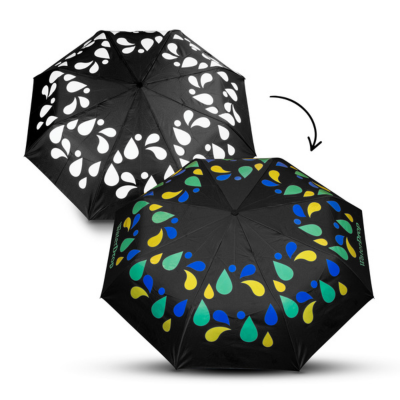
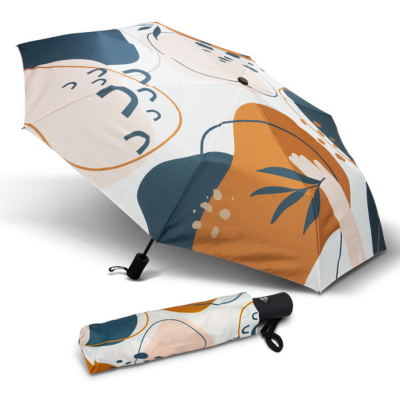
For Singapore, where the climate barely shifts across seasons, an outdoor gift makes more sense tied to a specific event, such as a company sports day or an outdoor client function, rather than the season itself. A portable fan or a compact umbrella suits the tropical climate better than anything framed as a “spring” item.
The biggest risk in a multi-market spring gifting campaign isn’t picking the wrong product. It’s underestimating how long sourcing, decoration and delivery take once you’re shipping across several APJC countries with different customs rules and public holidays. Build in four to six weeks minimum from final artwork approval to delivery, longer if you’re shipping into India or China where customs clearance can add unpredictable time.
Sustainability now sits at the centre of most client gifting conversations, not on the edge of them. A gift made from recycled or certified materials, with a supplier that can show genuine sourcing information rather than a vague sustainability claim, holds up better under scrutiny if a client asks where it came from. OTT’s Full Circle range is an example of what that looks like in practice: a catalogue built specifically around verified sustainable materials and supply chains, rather than a handful of eco-labelled products sitting alongside a standard range.
Quantity planning matters more for client gifts than for staff merchandise because the list is rarely round numbers. A client list of 340 people doesn’t map neatly onto a supplier’s minimum order quantities, so confirm minimums early and decide upfront if you’re topping up the run or holding a small buffer stock for late additions to the list.
Public holidays shift the calendar more than most teams expect. Chinese New Year, Golden Week in Japan, and Diwali in India all sit close enough to spring planning windows that they can add a week or more to delivery if a campaign isn’t planned around them. Check the calendar for each market you’re shipping into before you lock a send date.
| Client tier | Typical budget (AUD) | Suggested categories | Decoration approach |
|---|---|---|---|
| Broad client list | 10 to 25 | Foldable tote, basic notebook, seed packet or small plant | Single colour print, simple placement |
| Mid tier accounts | 25 to 50 | Insulated drinkware, quality notebook and pen set, compact outdoor item | Laser engraving or embroidery, subtle logo |
| Top tier and key accounts | 50 to 100+ | Structured bag, premium drinkware set, curated wellness or outdoor bundle | Premium engraving, minimal branding, presentation packaging |
What is the best corporate gift for a spring client campaign? There’s no single best gift because it depends on the client’s market and how they use the item day to day. Insulated drinkware performs consistently well across most APJC markets because it solves a genuine daily problem regardless of local weather, which makes it a safe default when you’re gifting across several countries at once.
How much should a corporate client gift cost? Most corporate client gifts sit between 15 and 60 AUD per recipient, depending on the client tier. Broad client lists typically use the lower end of that range, while top-tier accounts justify spending closer to 100 AUD or more on a smaller, more considered gift.
How far in advance should you plan a spring gifting campaign? Plan at least six to eight weeks ahead of your intended send date, covering sourcing, artwork approval, decoration and delivery. Multi-market campaigns need extra buffer for customs clearance and local public holidays, particularly when shipping into India, China or Japan.
Should corporate gifts always include a company logo? No. A logo helps with brand recall, but it should be small and placed thoughtfully rather than dominating the item. A gift a client keeps using because it holds up well will generate more goodwill than a heavily branded item they put away and forget.
What’s the difference between corporate gifting and trade show merchandise? Corporate gifting targets specific clients or accounts to strengthen an existing relationship, while trade show merchandise reaches a broader, often anonymous audience at an event. The budget, personalisation and follow-up approach differ significantly between the two, even when some product categories overlap.
A spring client gift works when it matches how the recipient really lives in the weeks after it arrives, not just when it looks seasonal in a photo. Pick categories with a genuine daily use, adjust for the real climate and cultural calendar in each market you’re shipping to, and build enough lead time into the schedule that customs and local holidays don’t derail your send date. Get those three things right and the gift itself becomes far less risky to choose.
If you’re weighing up categories for an upcoming campaign, our team can talk through what’s worked for similar client lists across Australia, New Zealand, Singapore, Japan, China and India, and help you scope quantities and lead times before you commit to a supplier.